Borosilicate Glass
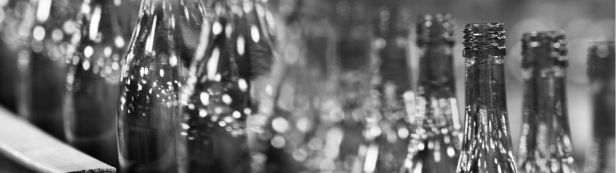
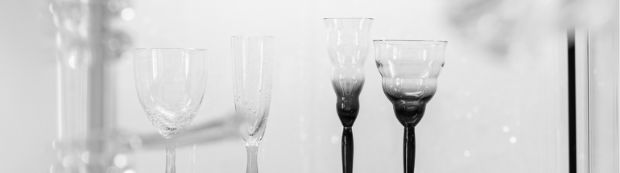
Its composition and specific properties make borosilicate glass a material that can be used in several areas of production. Unlike conventional soda-lime-silica glass, it contains a high proportion of silicon dioxide and boron trioxide. These components mean it results in high resistance to sudden temperature changes, making it ideal for the production of goods used to make hot meals and drinks. Borosilicate glass is also chemically resistant, hard, and strong, and is outstanding in terms of optical clarity. Its combination of heat and chemical resistance also makes it ideal for the production of laboratory and technical glass, while its lightness means it is often used in light fittings. And the fact it is non-detrimental to health means it can be used in the food industry too. More unusual applications include gift items, elements in architecture and unique works of art. Several companies in the Czech Republic process borosilicate glass from tubes and rods, but only KAVALIERGLASS, a.s. from Sázava is involved in production as such. In fact, it has been making special chemically- and heat-resistant laboratory glass since the 1830s. The Sázava glassworks first launched borosilicate glass on the market in 1923, and development continued. During the 1950s Czech borosilicate glass SIAL (1951) and SIMAX (1958) were introduced into production. The exhibition presents a selection of the contemporary production of four companies that, although having different histories, being of different sizes, and partly differing in terms of their focus of production, are linked by their passion for working with this unique material.
Vydavatel / Publisher: Státní muzeum skla a bižuterie v Jablonci nad Nisou, 2026
Kurátorka, texty / Curator, Texts: Tereza Bednářová
Odpovědný redaktor / Responsible Editor: Tereza Bednářová
Překlady / Translations: EDUCA – Eva Kořánová
Foto / Photo: vystavovatelé / Exhibitors
Grafika / Graphics: David Matura
Jazyk / Language: česky, anglicky / czech, english
Počet stran / Number of pages: 23
ISBN: 978-80-86397-61-0